

The Thermal Reset: Rethinking Hot Flashes & Night Sweats with Science + Soul
By Michele | Certified Menopause Coach, Girls Gone Strong
It often starts with a whisper, not a blaze. A faint hum in your chest. A flicker of unease. And then, suddenly, the heat arrives. Rising from your core, flushing your face, soaking your skin, waking you from sleep with a jolt of alertness that feels wildly out of proportion to the moment.
If you know this sensation, you know the alchemy of a hot flash.
These waves of heat (and their nighttime counterpart, night sweats) are among the most common experiences of the menopause transition, affecting the majority of women at some point. For some, they’re an occasional inconvenience. For others, they disrupt sleep, confidence, and everyday life.
At NovaPause, we don’t see hot flashes as something you must simply “grin and bear.” We see them as powerful signals from your nervous system and hormones. An invitation to design a new kind of support around your sleep, your stress, and your environment.
This is your guide to understanding what’s really happening beneath the surface and how to build an advanced, compassionate cooling toolkit that feels as intentional as the rest of your life.
📚 For a bigger-picture view of what’s shifting, you can explore our overview of the perimenopause transition and how changing hormones affect your whole body.
A Personal Turning Point: When the Heat Became a Message
When my doctor prescribed a medication that would “temporarily induce menopause” before surgery, she mentioned hot flashes almost in passing. What she didn’t mention: my body was already on the edge of perimenopause.
The first time it happened, I felt like the Human Torch from Fantastic Four. One moment I was in a meeting, cool and composed; the next, it was as if someone had lit a fuse under my skin. My chest flushed, sweat gathered at my hairline, and my thick, curly hair went from “crown” to “wet blanket” in seconds.
At night, the heat became an unpredictable visitor. Drenching my pajamas, forcing me to peel back the covers, only to shiver minutes later as the damp fabric cooled against my skin.
In the workplace, the flashes eventually became their own quiet language. During one episode, as I sat talking with two older colleagues, the wave hit. Without fanfare, one quietly angled her desk fan toward me; the other slid open a drawer, revealing a stash of chocolate. A small act of solidarity and sweetness.
That moment, women wordlessly caring for women, stayed with me. It’s part of why NovaPause exists: to turn private overwhelm into shared understanding, and to pair empathy with truly thoughtful solutions.

What a Hot Flash Really Is: Your Internal Thermostat in Transition
A hot flash is not your body “malfunctioning.” It’s your temperature control center trying to adapt to a new hormonal landscape.
At the heart of it all is a tiny but powerful region of your brain called the hypothalamus, your internal thermostat. Its job is to keep your core temperature within a comfortable range known as the thermoneutral zone.
During your reproductive years, this zone is relatively wide and forgiving. A slight temperature increase, a warm drink, a cozy blanket, doesn’t cause much drama.
During perimenopause and menopause, fluctuating estrogen changes the rules:
Estrogen normally helps regulate your thermostat. It influences how your hypothalamus senses and responds to temperature changes.
As estrogen becomes more erratic (rising and falling, rather than gently declining), that thermoneutral zone can narrow.
The result? Tiny changes in core temperature that your brain once tolerated now feel like emergencies.
Your hypothalamus misreads a small rise in temperature as a major overheating event. To protect you, it launches an all-systems cool-down response:
Blood vessels near the skin’s surface dilate → you feel suddenly, intensely hot and flushed.
Sweat glands switch on to release heat → you may become drenched, especially at night.
Heart rate can increase, and stress chemicals can spike → you may feel a rush of anxiety, unease, or “impending doom” just before or during the flash.
As your body rapidly cools, you may end with a chill, teeth chattering under damp sheets.
Certain factors can make this thermostat more sensitive or add extra “heat load” to the system, like smoking, higher body weight, specific medications, abrupt surgical menopause, stress, alcohol, or very warm sleeping environments.
Understanding this physiology doesn’t make the experience vanish. But it does return a crucial truth: your body is trying to protect you, not punish you.
Beyond “Just Deal With It”: Your Thermal Reset Toolkit
You’ve likely heard the basics: dress in layers, keep a fan nearby, avoid spicy food and alcohol at night. Those tips matter, but you deserve more than bare-minimum coping strategies.
Think of the following as your Thermal Reset Toolkit: a blend of environmental design, nervous-system support, and informed medical conversations..
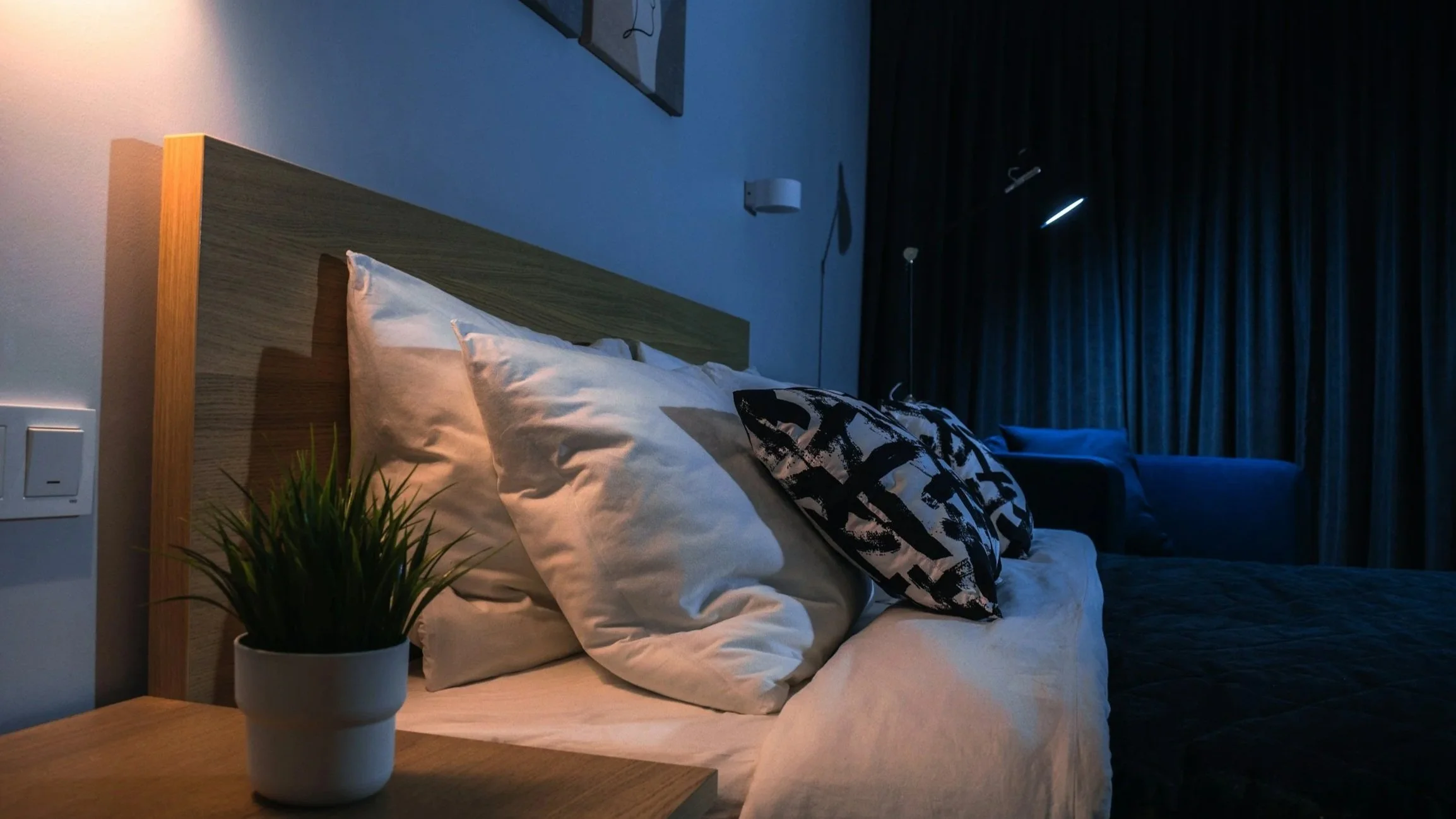
1. Re-Architect Your Sleep Environment
Most of the distress around hot flashes happens at night, when your body is trying to repair and restore. Optimizing your sleep landscape is one of the highest-leverage places to start.
Aim for a cool “cave.”
Many sleep specialists suggest a bedroom temperature around 60–67°F (15–19°C) for optimal sleep quality. Your personal sweet spot may be a little higher or lower.
Use a fan or adjust your thermostat to keep air moving and cool.
If you share a bed with someone who prefers it warmer, consider two separate top layers (your light quilt, their heavier one) so you can keep your side cool without conflict.
Rethink your textiles.
Traditional advice often stops at “use cotton,” but for night sweats, cotton isn’t always your best ally. It absorbs moisture and then holds it. Once the flash passes, that damp fabric cools rapidly against your skin, contributing to those shivery, middle-of-the-night chills.
You may find more comfort with:
Eucalyptus lyocell, micromodal, or high-quality bamboo
These plant-based fibers are designed to be breathable and wick moisture away from your skin so it can evaporate more easily.Silk pillowcases or sheets
Mulberry silk, in particular, has naturally smooth, thermoregulating properties that can help buffer shifts between warm and cool without trapping moisture like heavier, dense fabrics.
You don’t need to overhaul everything at once. Even swapping pajamas and pillowcases can be a powerful first step.
📚 For more ideas on sleep, see our story on how to create a sleep sanctuary in perimenopause, where we go deeper into both environment and rituals. Or if you're ready to act now, grab the free Find Your Cool 3-Day Reset — a simple plan to ease hot flashes and sleep disruption starting tonight. [Get It Free →]
2. Consider Active Cooling Technology
If passive strategies aren’t enough, there is a growing category of active cooling tools designed specifically for hot sleepers.
These may include:
Water- or air-based cooling mattress pads or toppers that circulate cooled (or temperature-adjustable) fluid or air through a thin grid under your body.
Systems that can sometimes integrate with apps or biometrics, allowing you to set a cooler temperature at night or gently lower the bed temperature around your usual hot-flash window.
These products can be an investment. But for some women, especially those with frequent night sweats, this kind of technology can be transformative for sleep and daytime functioning.
3. Support Your Body From the Inside Out
While this article focuses on external cooling and nervous-system strategies, it’s important to know there are evidence-informed medical treatments for hot flashes as well. Decisions about these options are best made in partnership with a clinician who knows your personal history.
Possibilities you can discuss with your healthcare provider may include:
Menopause Hormone Therapy (MHT/HRT)
For women who are appropriate candidates, estrogen-containing therapies (sometimes combined with progesterone) can be very effective for moderate to severe vasomotor symptoms such as hot flashes and night sweats.Non-hormonal prescription options
For those who cannot or prefer not to use hormones, certain low-dose antidepressants (such as some SSRIs or SNRIs), gabapentin, or newer medications targeting specific brain receptors may be considered to help reduce frequency or intensity for some women.
These options are not one-size-fits-all. They come with potential benefits and risks that should be reviewed carefully with your clinician.
📚 Our menopause symptom management NovaGuides explore both hormonal and non-hormonal options in more detail, to help you prepare for those conversations.

4. Supportive Allies: Botanicals
Botanicals can’t flip a switch on hot flashes, and they’re not appropriate for everyone. But within an integrative framework and with professional guidance, some women explore plant-based support to ease sleep disruption, stress, or how intense the hot-cold swings feel.
A few examples often discussed in midlife care:
Schisandra Berry (Wu Wei Zi)
In Traditional Chinese Medicine, Schisandra is known as the “five-flavor fruit” and is used as an astringent tonic to “contain” fluids and support the Shen (spirit-heart). In modern terms, it may help support stress resilience and overall vitality. Some traditions use it specifically for night sweats and feelings of emotional restlessness.Tart Cherry
Tart cherry products are often used for sleep support due to naturally occurring melatonin and antioxidants. By supporting more consolidated sleep and reducing overall inflammatory burden, they may indirectly ease how draining hot flashes feel.
Important reminders:
“Natural” does not automatically mean “safe for everyone.”
Quality, dosing, and interactions with medications all matter.
It’s important to review any herbs or supplements with a healthcare provider, especially if you’re on prescription medications or have underlying conditions.
Botanicals, if used, are best seen as supportive layers not replacements for individualized medical care.
5. Use Breath as a Cooling Switch: The Vagal Brake
Because hot flashes are tightly linked to the stress response, working directly with the nervous system can meaningfully change your experience of them.
When you feel that pre-flash “hum” (the slight rise in heart rate, the sense that a wave is coming), you might try this simple practice:
Extended - Exhale Breathing (2–3 Minutes)
Inhale gently through the nose for a count of 4.
Exhale softly through the nose or mouth for a count of 6 (or even 7–8, if comfortable).
Repeat, keeping shoulders relaxed and jaw unclenched.
Lengthening the exhale length activates the vagus nerve, the main highway of your parasympathetic (“rest and digest”) system. While it may not prevent every hot flash, it can help:
Soften the spike of distress or “doom” that sometimes comes before a flash
Support a smoother, quicker return to baseline afterwards
Signal safety to your body over time, which can widen your stress and thermal tolerance
Practicing this during your bedtime wind-down can also support overall sleep quality and give you a tool for those 2 a.m. moments when everything feels amplified.
💡 NovaPause Tip: If you're ready to put these strategies into a structured plan, our free Find Your Cool 3-Day Reset walks you through exactly how to implement the cooling method, breathing reset, and sleep upgrade — all in one focused guide. [Get the Free Reset →]
Empowerment Is Preparation, Not Perfection
Hot flashes and night sweats may be part of this chapter. Relentless suffering doesn’t have to be.
You are allowed to:
Build a bedroom that feels like a cool sanctuary, not an afterthought.
Experiment with textiles, cooling tech, botanicals, and breath practices.
Ask your clinician about every option—hormonal and non-hormonal—and keep asking until you feel informed and respected.
This isn’t about fixing a “broken” body. It’s about partnering with a body that is evolving and recalibrating.
Your Next Step: Ready to Start Cooling Down Tonight?
You've just learned what's really happening inside your body during a hot flash. Now it's time to do something about it.
🌿The Find Your Cool 3-Day Reset is your first step — a free, holistic plan designed to ease hot flashes and support deeper sleep using the same stabilizers outlined in this article. No prescriptions. No overwhelm. Just three focused days to start feeling better.
Download Your FREE 3-Day Reset
Already inside the reset? Take our free symptom quiz to explore what may be contributing to your symptom pattern.
Important Medical Disclaimer:
This article is for informational and educational purposes only and is not intended to diagnose, treat, cure, or prevent any disease. It is not a substitute for professional medical advice or individualized care. Always consult with a licensed healthcare provider about your specific symptoms, medical history, and before starting or changing any treatment, medication, supplement, or wellness practice.
