
Sleep Disturbances
When Nights Lose Their Ease
Tossing, turning, overheating, or overthinking? Sleep disturbances affect more than 50% of women during perimenopause and menopause and often appear early in the transition. For about 1 in 4, disrupted sleep can affect mood, focus, energy, and overall well-being. These changes are not a failure of willpower. They reflect shifts in hormones and the body’s natural sleep regulation.
Scroll to learn more
The Science Behind the Symptom

-
Sleep disturbances during perimenopause and menopause can include:
Trouble falling asleep
Waking often through the night
Waking around 2–4 a.m. and feeling “switched on”
Early morning awakenings
Non-restorative sleep, even after a full night in bed
Over time, these patterns can lead to daytime fatigue, irritability, mood shifts, and reduced cognitive clarity—what many describe as “feeling like a fuzzier version” of themselves.
-
Midlife sleep disruption isn’t caused by just one thing. It’s usually a layered mix of hormonal, neurological, and metabolic changes:
Estrogen Fluctuation. Estrogen helps regulate serotonin (a melatonin precursor), body temperature, and circadian rhythm. As levels fluctuate and decline, sleep becomes lighter and more easily disrupted, especially by hot flashes and night sweats.
Progesterone Withdrawal & the “Tired but Wired” State. Progesterone is a precursor to allopregnanolone, a calming neurosteroid that enhances GABA—the brain’s main “brake” system. When progesterone drops, that sedating cushion disappears, leaving the brain more alert at night. Many women describe this as feeling “exhausted, but unable to switch off.”
The 3 a.m. Wake-Up (Metabolic Awakening). Blood sugar dips and a sensitive stress response can trigger a surge of cortisol and adrenaline in the early hours. The result: waking suddenly with a racing mind or heart, often between 2–4 a.m., even if the bedroom is cool and quiet.
NovaPause Micro-Tip: Stop the 3 a.m. spike by eating a small, protein-rich snack (like a handful of almonds or a slice of cheese) 30 minutes before bed. This stabilizes blood glucose, preventing the adrenaline surge that wakes you up.
Vasomotor Symptoms (Hot Flashes & Night Sweats). Changes in the brain’s temperature control center narrow your “comfort window.” Even small shifts can trigger a sympathetic (fight-or-flight) response, leading to awakenings that often precede the sensation of heat.
-
Research consistently shows that over 50% of women transitioning through menopause report experiencing some form of disturbed sleep or insomnia.
For a substantial number of women (around 26%), sleep difficulties are severe enough to significantly impact daily life, meeting the criteria for clinical.
For many, sleep disruption peaks in late perimenopause and the first years after the final period, then gradually eases. Lifestyle, stress, and medical factors can extend this window.
-
Restless Leg Syndrome (RLS) involves an uncomfortable urge to move the legs—often described as crawling, tingling, or aching sensations—typically worse at night and relieved only by movement. It can make falling asleep or staying asleep much harder.
Studies suggest that over half of postmenopausal women experience RLS, and symptoms worsen for many after menopause.
A key connection in midlife is what we might call the Estrogen–Dopamine–Iron triad:
Estrogen & Dopamine:
Estrogen supports dopamine, the neurotransmitter that helps regulate smooth, voluntary movement. As estrogen declines, dopamine signaling can become less stable, contributing to restless sensations.Iron & the Brain:
Iron is essential for dopamine production. Heavy or prolonged periods in perimenopause can lower iron stores (especially ferritin), even if standard labs look “normal.” Low brain iron can worsen RLS symptoms.Fragmented Sleep & Nervous System Sensitivity:
Night sweats, anxiety, and repeated awakenings make the nervous system more reactive, amplifying the perception of leg discomfort.
Empowering Note: If you’re experiencing significant RLS-like symptoms, it can be helpful to ask your provider about checking ferritin (iron stores), not just hemoglobin. This gives a more complete picture of iron status related to dopamine support.
-
Our Scientific Foundation: Why We Trust These Sources
At Novapause, our "Science + Soul" commitment means our content is built on a foundation of the highest-quality, most trusted sources in medical science.
Trusted Sources
National Institute on Aging (NIA): Provides foundational research on how hormonal aging influences sleep architecture and circadian biology.
Study of Women’s Health Across the Nation (SWAN): The most comprehensive long-term study linking menopause, sleep disruption, vasomotor symptoms, mood, and long-term health outcomes.
The Journal of the Menopause Society: Publishes leading clinical insights on menopausal sleep issues, hormone therapy, and non-hormonal approaches to managing nighttime symptoms.
Highlighted Research
Baker et al. (2018): Sleep Disorders in the Menopausal Transition. Shows how fluctuating estrogen and progesterone alter the sleep–wake cycle, thermoregulation, and melatonin pathways, leading to fragmented sleep and increased night awakenings.
Zhao et al. (2023): Acupuncture for Depression & Insomnia in Perimenopause. A randomized controlled trial suggesting that acupuncture may help reduce sleep disturbance and support mood in perimenopausal women, highlighting an integrative, non-pharmacologic option.
Tandon et al. (2022): Menopause & Sleep Disorders. Clarifies how circadian rhythm shifts, nighttime vasomotor symptoms, and mood changes interact to create chronic sleep difficulties and why effective care often requires addressing more than one factor at a time.
Polasek et al. (2024): Nutritional Interventions for Menopausal Sleep Disturbances. A systematic review indicating that nutrients such as magnesium, omega-3s, glycine, and certain herbal supplements may support better sleep quality during menopause.
Disclaimer: This educational information provides a general understanding of menopause-related symptoms and is not intended to diagnose or treat any condition, nor replace guidance from a qualified healthcare provider.
Restorative Night Products
Wellness essentials designed to support cooler nights and deeper sleep. Some links may earn NovaPause a small commission at no cost to you.
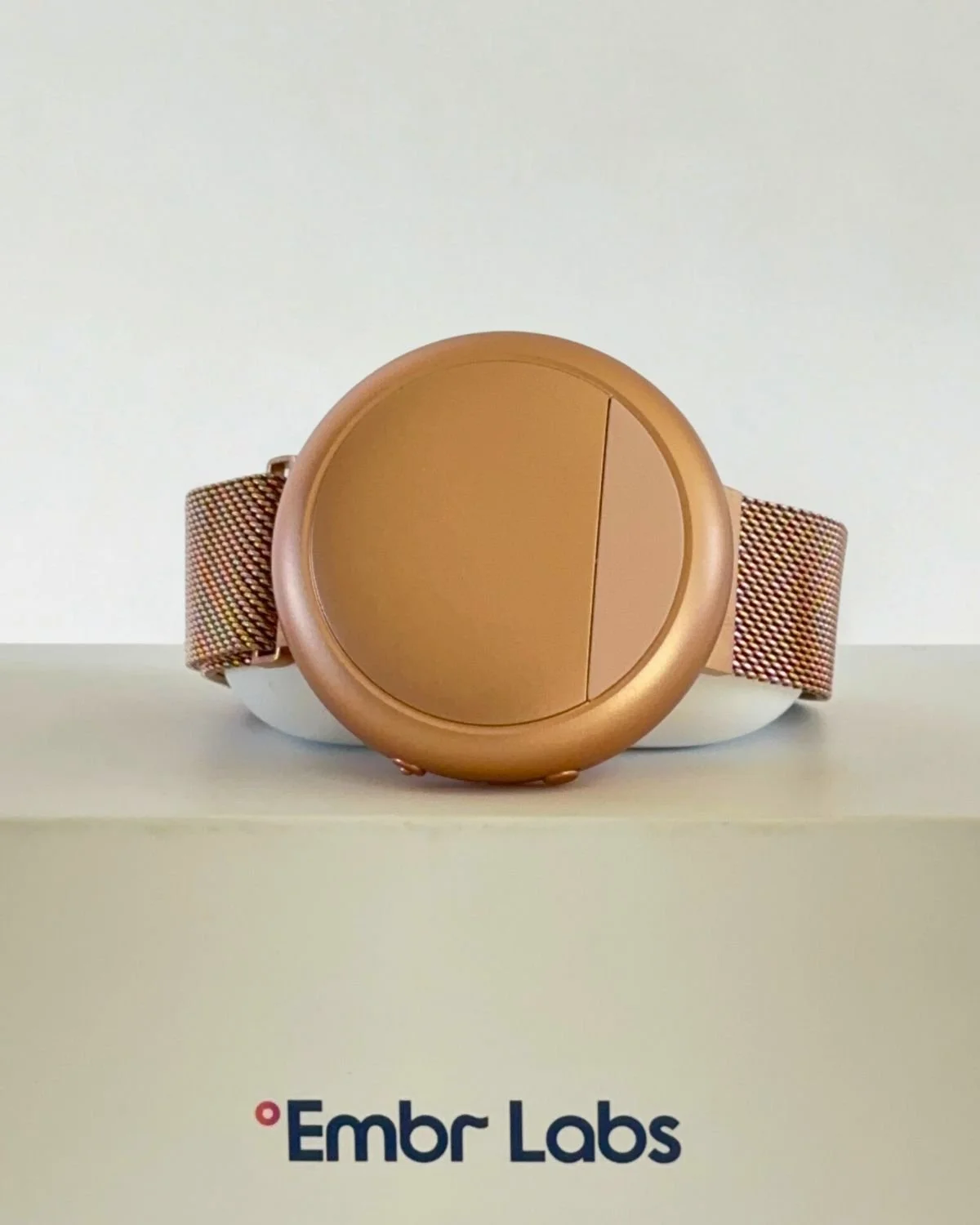
Cooling Technology
Embr Wave 2
A wearable device designed to help regulate body temperature and reduce hot flashes.

Nervous System Support
Moon Juice Magnesi-Om
A magnesium blend designed to support relaxation and deeper sleep.

Evening Calm Ritual
Rishi Chamomile Tea
A soothing herbal blend that supports relaxation and nighttime wind-down

NovaPause Tip
Choose one simple action like dimming the lights, making a cup of calming tea, or reading a few pages of a book and repeat it at roughly the same time each night. Over time, this becomes a cue your brain associates with “it’s safe to slow down now,” helping your system transition more smoothly into sleep.

Explore NovaGuides