
Hot Flashes
When Heat Suddenly Surges
One moment you’re fine, the next a sudden surge of heat takes over, with flushed skin, warm cheeks, and a quickened heartbeat. Hot flashes and night sweats are very common, affecting nearly 80% of women during perimenopause and menopause, and can disrupt comfort, sleep, and emotional balance. While uncomfortable, hot flashes are a normal response to hormonal shifts, not a sign something is wrong.
Scroll to learn more
-
Hot flashes are brief episodes of sudden heat that radiate through the chest, neck, or face. They often include:
Warmth or flushing
Increased sweating
Rapid heartbeat
Occasionally chills once the episode passes
Most last 30 seconds to 10 minutes, and intensity varies from mild warmth to intense heat.
Night sweats are hot flashes that occur during sleep and may leave bedding damp or drenched.
-
New research shows that hot flashes involve more than “hormones shifting.” They arise from changes in your brain’s thermostat—specifically the hypothalamus, which regulates temperature.
Here’s what happens:
1. The Thermoneutral Zone Narrows
In a typical, non-menopausal state, your body maintains a comfortable “thermoneutral zone”—a temperature window where you don’t sweat or shiver.
During perimenopause:
Dropping estrogen levels narrow this zone dramatically.
Even a tiny rise in core temperature (~0.4°C) can trigger a heat-dissipation response.
Your body misinterprets normal warmth as overheating.
2. KNDy Neurons Become Overactive
A cluster of neurons in the hypothalamus—called KNDy neurons (kisspeptin, neurokinin B, dynorphin)—become hypersensitive when estrogen declines.
Neurokinin B spikes → signals “You’re overheating!”
Blood vessels widen → flushing
Sweat glands activate → sudden heat
Heart rate may rise
Temperature drops quickly afterward → chills
This is why the sensation feels so sudden and so intense.
-
The Average: For many women, symptoms persist for 5–7 years, peaking in late perimenopause and early post-menopause.
The "Super Flashers": Research from the SWAN Study indicates that for some women—particularly those who begin flashing early in perimenopause—symptoms can last 10–12 years.
The Good News: Intensity typically wanes over time as the neuro-receptors adjust to their new baseline.
-
While you cannot stop the hormonal shift, you can dampen the response. Strategies focus on widening that "thermoneutral zone":
Clinical Support: Hormone Therapy (estrogen) is the gold standard. New non-hormonal options (targeting the NK3 receptor on KNDy neurons) are also emerging.
Lifestyle Buffers: Managing stress (cortisol spikes heat), layering clothing, and using cooling technology can significantly reduce the disruption to your life.
-
Our Scientific Foundation: Why We Trust These Sources
At Novapause, our "Science + Soul" commitment means our content is built on a foundation of the highest-quality, most trusted sources in medical science.
Trusted Sources
National Institute on Aging (NIA): As the U.S. government's lead agency for research on aging, the NIA funds the foundational work that helps us understand the deep links between hormonal changes and health during the transition.
Study of Women’s Health Across the Nation (SWAN): The SWAN study is the most important multi-site, longitudinal study of women in midlife ever conducted.
The Journal of the Menopause Society: We follow the clinical guidance and research published by The Menopause Society, whose flagship journal, Menopause, provides the latest data on symptom management, hormone therapy, and the physiological changes during this transition.
Specific Articles Related to VMS
Bansal & Aggarwal (2019) – J Midlife Health
This review explains how fluctuating estrogen levels narrow the “thermoneutral zone,” making women more sensitive to small temperature changes. It also outlines both hormonal and non-hormonal treatment options and emphasizes that hot flashes have a strong neuroendocrine basis.Santoro et al. (2021)– Journal of Clinical Endocrinology & Metabolism
A comprehensive clinical review describing how vasomotor symptoms arise, who experiences them most intensely, and what evidence-based therapies are available. The authors note the wide variability in duration—ranging from short-lived symptoms to more than a decade for some women.Morrow et al. (2011)– The Oncologist
This review details the physiology behind hot flashes, highlighting the role of serotonin, norepinephrine, and thermoregulatory instability. It also summarizes therapeutic strategies studied in both menopausal women and those experiencing treatment-related hot flashes.Sahni et al. (2021)– touchREV Endocrinology
A modern overview of non-hormonal options for vasomotor symptoms, including behavioral approaches, lifestyle strategies, and emerging evidence for certain supplements and mind-body practices. It highlights the importance of individualized care.
The Science Behind the Symptom

Disclaimer: This educational information provides a general understanding of menopause-related symptoms and is not intended to diagnose or treat any condition, nor replace guidance from a qualified healthcare provider.
Restorative Night Products
Wellness essentials designed to support cooler nights & deeper sleep. Some links may earn NovaPause a small commission at no cost to you.
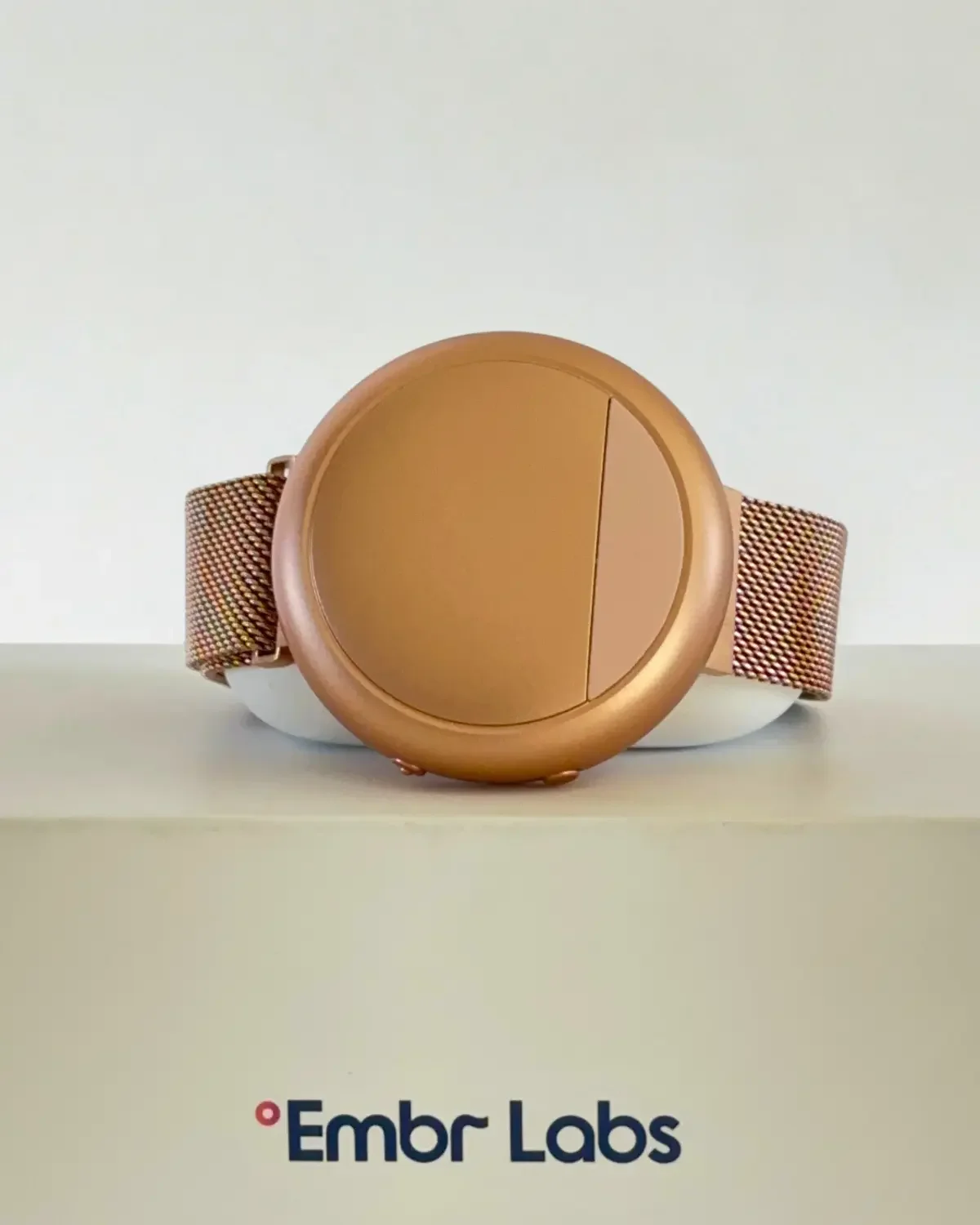
Cooling Technology
Embr Wave 2
A wearable device designed to help regulate body temperature and reduce hot flashes.
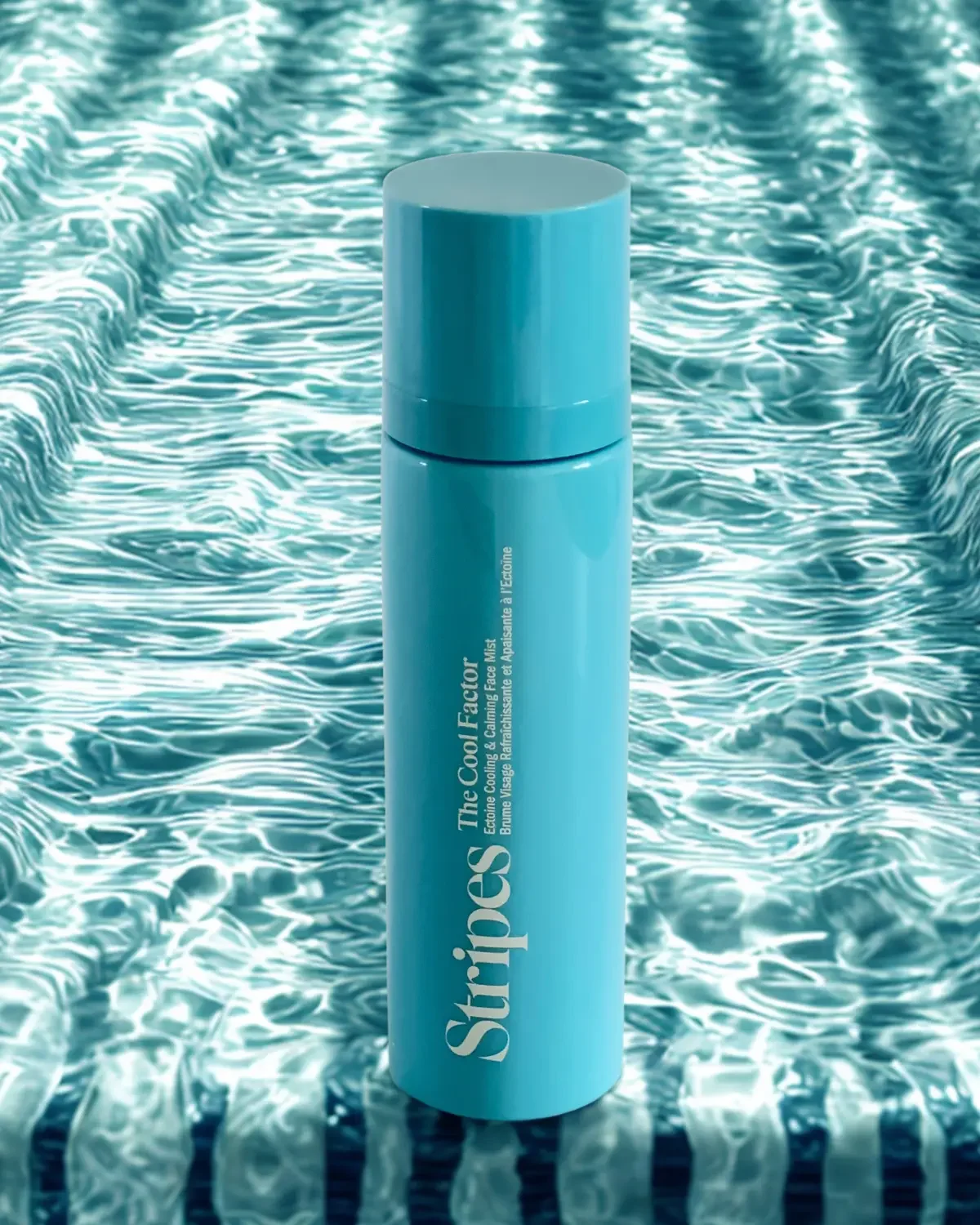
Instant Cooling Relief
Stripes The Cool Factor
A refreshing botanical mist designed to calm sudden heat spikes.

Cooling Sleep Environment
Cozy Earth Bamboo Sheet Set
Ultra-soft bamboo bedding designed to stay cool and comfortable through the night.

NovaPause Tip
Keep a silk eye mask in the freezer, choose eucalyptus or bamboo fabrics, and mist your neckline with a calming hydrosol before bed to support a more comfortable night’s rest.

Explore NovaGuides